Warning:
Reading this might make you paranoid
(and maybe that is a good thing…)
The Problem
If I’m the first one to tell you that our world is saturated with toxins, then you must have come out of a time capsule. If so, then welcome to a world where poisons like microplastics, phthalates, and PFAs are everywhere- and I mean everywhere. They are in our food, our cleaning products, our clothes, our water, and our air. These toxins contribute to infertility, compromise our immune systems, foster tumor growth, and even alter our DNA- but the craziest thing is that we put them here.
While it is tempting to place the blame squarely on far-off laboratories or corporations, we as consumers are daily perpetuating the demand for these toxins. We purchase and consume them every day for two reasons:
- We aren’t aware of them.
- We simply don’t care.
Our society has misled us into accepting unsafe, toxic products as “normal”. While our bodies and the environment can tolerate a certain level of “toxic load,” modern life bombards us with more toxins than our bodies can handle. Many practitioners describe this condition as “toxic burden.” This occurs when our bodies cannot process toxins quickly enough, hindering our baseline capabilities and manifesting in symptoms linked to modern diseases.
Our lives consist of daily “poisonous microdosing,” and our burdened bodies are struggling to regulate hormones, heal themselves from disease, and nourish themselves. Furthermore, unknowingly stunted by our own “toxic burden”, we place trust in a healthcare system that is quicker to prescribe methods that contribute to this same burden rather than by eliminating the root causes of disease and supporting the body’s natural pathways.
A Legacy of Disease
A quick look at American health statistics over the past century will illustrate the fact that something is amiss with our modern perception of health. The consistent rise of certain “modern diseases” like diabetes, cancer, and other autoimmune disorders closely mirrors the increased trend of toxin saturation. Additionally, our society continues to witness declines in vitality: mood, fertility, proper hormone levels, mental well-being, and overall health.
The decline in modern health is a complex issue, but if we want to see this trend reverse, an effective place to start is by lowering our toxic burden.
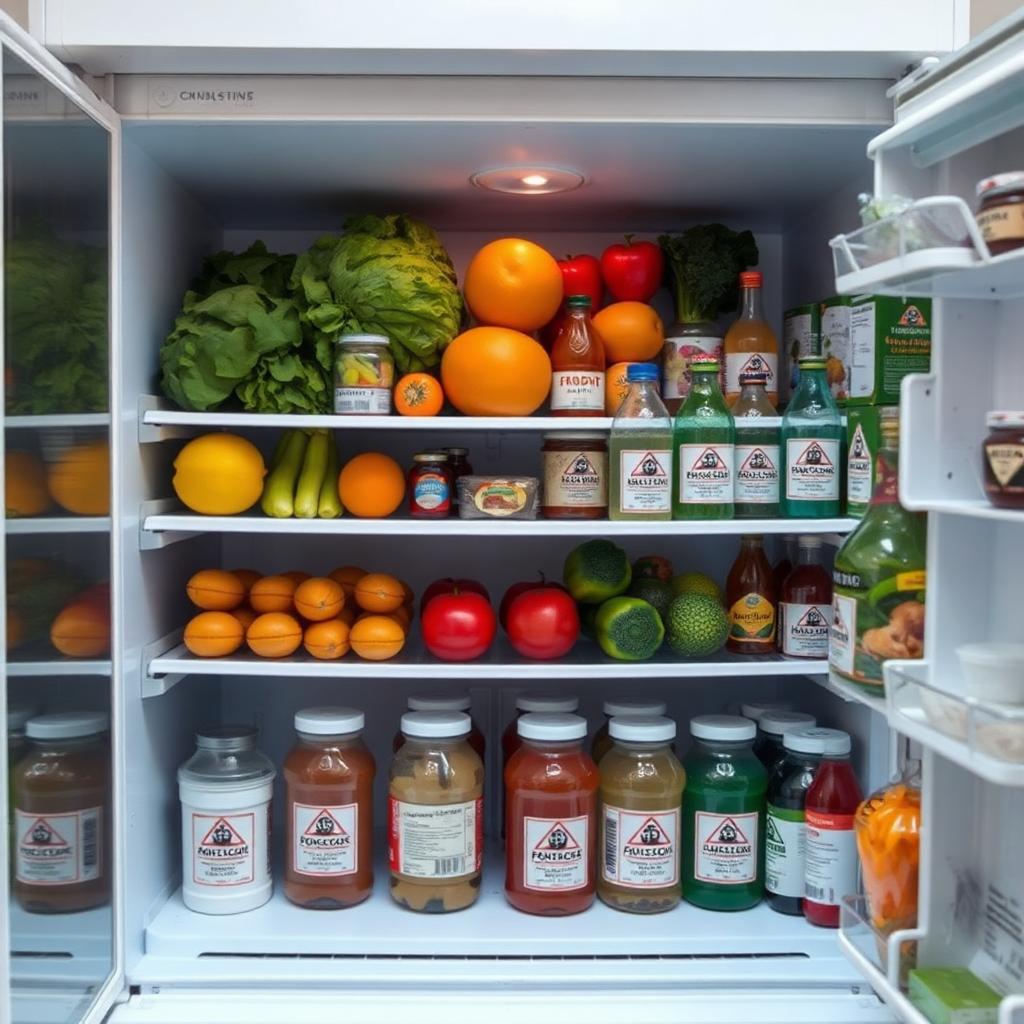
Recognizing the threat
Once you begin to realize just how many toxins are hiding in our food, cosmetics, and everyday items, the thought of change can be paralysing. Keep in mind that the best approach to doing so is one step at a time. Start by cutting out one source of toxins and replacing it with a natural alternative. Once this change is fully in place, move on to the next thing. This can often take time, years even, to get to the place you want to be, but it is the best way to begin sustainably detoxifying our lives.
So what are some of the most pervasive toxins and sources of toxins in our modern lives? Before we move on, you have to ask yourself: Are you sure you want to know? Either way, here we go:
-Industrial seed oils-
Canola Oil, Soybean Oil, Vegetable Oil, etc.
While still marketed as “healthy”, these concoctions couldn’t be further from the truth. During the extraction process, they undergo superheating, which renders them rancid. To mask the resulting putridity, they are treated with chemicals like bleach and hexane, which render them “palatable”. The fact that they are inexpensive has made them the most ubiquitous cooking oils in America, but despite a multitude of independent studies linking them to disease, the powerful corporations that produce them still maintain the narrative that they are “safe”.
-Pesticides/Herbicides-
RoundUp, GMOs, non-organic foods
It’s no secret that even our “fresh produce” sometimes contains very high levels of toxins, primarily due to pesticides like glyphosate (RoundUp). Despite the manufacturer’s assertions that it is “safe” for humans, there is substantial evidence to disprove this.
-Fragrances and Phthalates-
Artificially scented Candles, Perfume, Cologne, Air Fresheners
Mainstream personal care products contain high amounts of toxic compounds, specifically fragrances and phthalates. They are hormone disruptors, cause infertility, developmental defects, and more. Although immediate health connections might not be evident, the cumulative effects can manifest later in life- and by then it can be too late to reverse the damage.
-PFAs-
Non-stick “Teflon” coatings, Fire/Water resistant fabrics, Paper Products (Plates, Cups, and Bowls with “smooth/waxy” surface).
You might have heard of these nasty compounds by the name of “Forever Chemicals”- this is because they are particularly difficult for nature to break down, and stick around for- well, forever. Despite being clearly linked to health defects like infertility, diabetes, and cancer, they are still constantly being used in a wide range of products in many different industries.

What now?
Regrettably, this is not a comprehensive list of the toxins and toxic compounds you likely consume on a daily basis. Not even close. This is merely a scratch of the surface, but nonetheless, it is vitally important that we begin to eliminate these toxins from our lives. If you had to start somewhere, this list is at least a start.
Let’s make things easy:
STOP USING THESE:
“Industrial Seed oils”: Canola, soybean, sunflower, and vegetable oils.
Non-organic foods: Start with the “Dirty Dozen”- namely, strawberries, spinach, and kale. Do not buy versions of these foods that are not truly “Organic” or “Pesticide-Free”.
Artificial fragrances: Mainstream perfumes, colognes, soaps, detergents, air fresheners, and candles.
PFA’s: Non-stick “Teflon” coatings, fire/water resistant fabrics, certain paper products (those with a “smooth/waxy” surface).
USE THESE INSTEAD:
Traditional Oils: Butter, ghee, tallow, olive oil, coconut oil, avocado oil.
Clean Foods: “Organic”, “Non-GMO,” and “Pesticide-free” labels are a good place to start.
Natural fragrances: Ones that come specifically from essential oils are generally a safe bet, or simply opt for unscented/phthalate-free versions of products.
Natural industrial coatings (or none at all): Pans with non-toxic ceramic coatings, organic cotton clothing, “true” paper products (without the “smooth/waxy surface”).
Where to shop?
There are a growing number of companies, products, and services that actively support a healthier, toxin-free future. You can partner with these movers by taking the money and choices that you have been giving to mainstream corporations and giving them to smaller businesses that actually care about you and the environment. Some of my family’s favorites include the following:
Conclusion:
We are not victims of the toxic mainstream product streams. Our health and that of later generations are in our hands, and we can take steps towards the eradication of toxins from the supply chain; it merely starts with us as individuals.
All this being said, you might be wondering: why is a Sci-Fi author writing on this topic? A valid question: the answer lies in the fact that Science Fiction looks at the past, the present, and from it imagines the future. What could it look like? Utopia or dystopia? Advancement or subjugation? Progress or backslides? What would our world look like if society got worse? What could it look like if our society improved?
In my novel, The Veil, I explore these very topics, and even propose an alternative to civilization as we know it: one that has relinquished technological dependency and government overreach for a return to simpler, regenerative lifeways. Check out danielpglick.com for more information.
The future is bright- let’s be a part of it!
- Daniel P. Glick
Reviewed with wellness education insight from Hayley Stoltzfus CN-P, CHC – Holistic Health Practitioner. You can reach her at maximized.patients@gmail.com